The Mesmerising Malolo Island
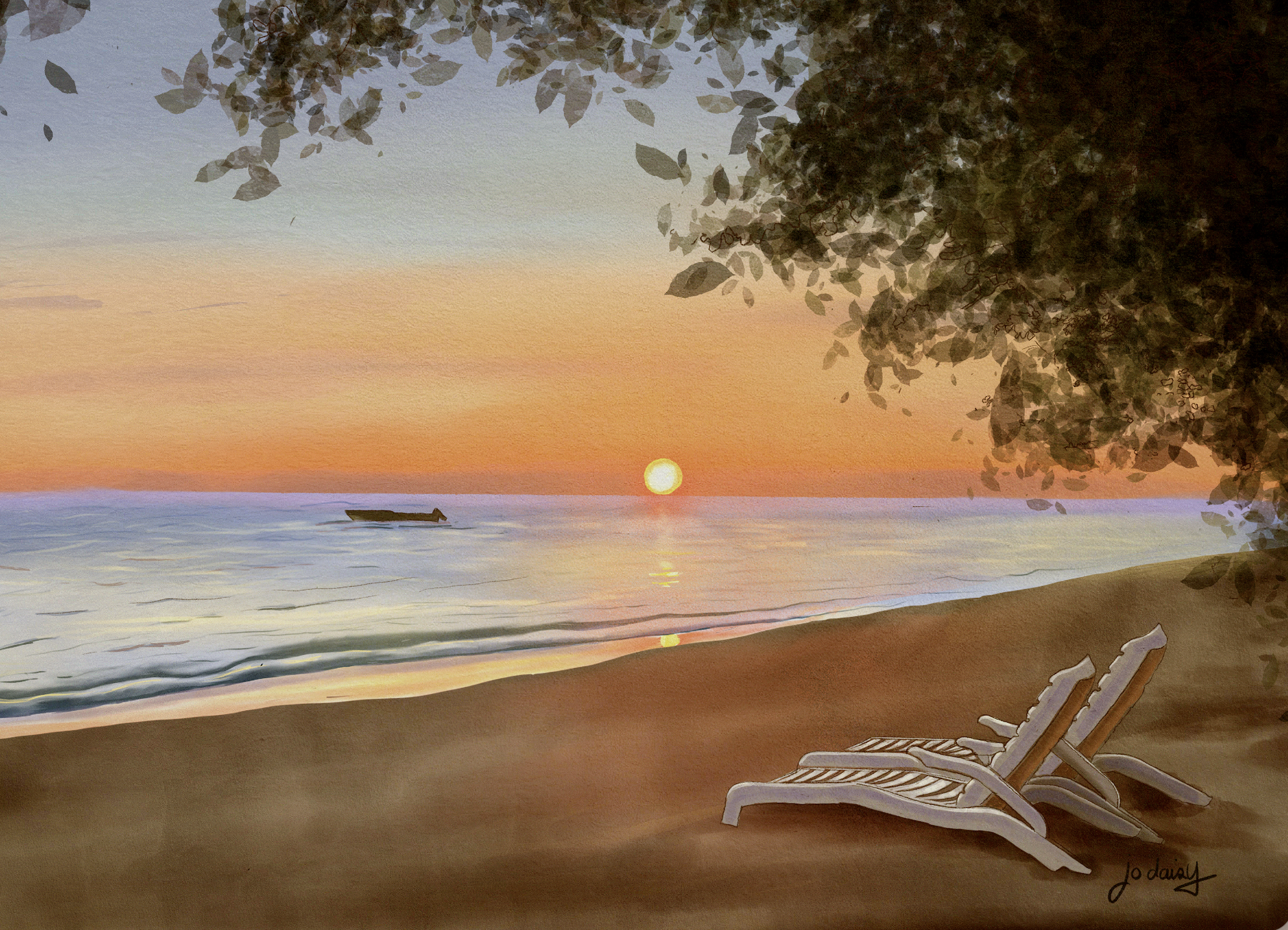
Malolo Sunset by Jo Daisy
Prepare to have your breath taken away by the spectacular beauty, when arriving at Malolo Island!
The iconic island jetty is where you step off into another world! You arrive to the joyful, welcoming songs of the locals, who very quickly embrace you as family. When one steps onto the island, one really feels like this is home!
Looking up at the lush dry tropical rain forest, one is struck by the beauty of the white plantation style buildings nestled into the forest. Sandy pathways meander through beautiful gardens to the various island offerings, such as the luxurious spa, the dreamy hammocks or the water-sports bungalow.
More about Malolo Island
If you’re after authentic culture and would love to meet the friendliest people in the world, you’ve come to the right place. This is barefoot luxury, in an intimate resort where each bure is situated near the beach. You are genuinely looked after by the descendants of villagers who have lived on the island for thousands of years. Malolo is fully owned by a local Fijian family and as such, offers true Fijian hospitality.
It is the largest island in Fiji’s stunning Mamanuca (pronounced Mamanutha) archipelago. In local folklore it is known as the “island of the resting sun,” because the early settlers noticed the sun always dipped directly behind its peaks. This gave rise to the enduring belief that the island was custom created by the gods as a peaceful sanctuary where the sun could rest after a long day’s wandering. And one does immediately sense that this is a place of rest, as the island effortlessly blends its ancient tribal history with a modern reputation as a world-class eco-tourism destination.
Geographic Overview
Two distinct islands are separated by a narrow, shallow channel. Malolo Levu (“Big Malolo”) is the primary volcanic landmass, while Malolo Lailai (“Little Malolo”) is the smaller, low lying islet directly to its south-east. At low tide it is possible to walk across the sandbar from one island to the other. Malolo’s volcanic topography features low rolling ridges, sandy coastal flats and calm lagoons. The highest point of the island houses an old World War II military bunker where one can enjoy a spectacular panoramic 360 degree view of the entire Mamanuca group of islands.
Historical Overview
The Lapita People, named after their distinctive, intricately stamped pottery, were ancient navigators, originally migrating from south-east Asia through Melanesia roughly 3500 years ago. Remnants of their pottery have been excavated across the Fijian Islands, including Malolo.
Later pre-colonial history on the island is marked by defensive hill forts and structures. Its strategic position made it a contested territory in tribal warfare.
In 1840, the island endured a bloody conflict during the United States Exploring Expedition led by Commander Charles Wilkes. American officers violated local protocols during a trading attempt for provisions and a skirmish arose resulting in the deaths of two sailors, including Wilkes’ nephew. In retaliation Wilkes ordered a devastating assault on the island, burning the Soso and Yaro villages to the ground.
In 1872, a Nadroga chief sold the freehold rights of Malolo Lailai to western settlers for cotton planting and over the next century, the island transitioned through various agricultural phases, including Chinese coconut plantations that operated from 1903 to 1966.
But the 1970s gave way to tourism and the plantation eras faded. Malolo became a pioneer of Fiji’s modern resorts and hosts a number of sustainably minded properties. (More on that in future articles.)
Malolo Today
Today Malolo Island is all about hospitality, friendship and family; swaying coconut palms, the slow lapping waters, blue skies and dramatic sunsets make this the perfect dream destination away from the world’s distractions. One can engage in snorkelling, stand-up paddle boarding, windsurfing, kayaking, sailing, bush walks and if you’re wanting even more adventure, the island also offers fishing, diving, tours of the village, island hopping and dolphin spotting trips at an extra charge.
Bures are nestled between lush gardens and within walking distance to everything this intimate paradise has to offer, including two major restaurants and the fabulous beach bar, which hosts some truly fun activities, such as hermit crab racing in the evenings! The bures themselves are beautifully designed and decorated in the same plantation style elegance, offering a cosy haven for an after lunch snooze.
What’s Next?
Now that you know some of Malolo’s history, and have found your way to your cozy barefoot bure, drop your luggage and settle in. Enjoy Happy Hour at the beach bar overlooking the golden sunset. Next week, we’ll be digging into general Fijian history and the fascinating social and cultural influences on the island nation’s identity today.
Until then, Moce mada (goodbye for now in Fijian 🇫🇯😊),
Jo Daisy xxx
If you’d like to follow along as these places make their way from sketchbook to finished artworks, you can join me on Instagram @jodaisyart, where I share the whole journey. And if you’re travelling along with me through The Traveller’s Telegram, you’ll find a little piece of the journey arriving in your letterbox soon.
You can access The Archive for your free printables here
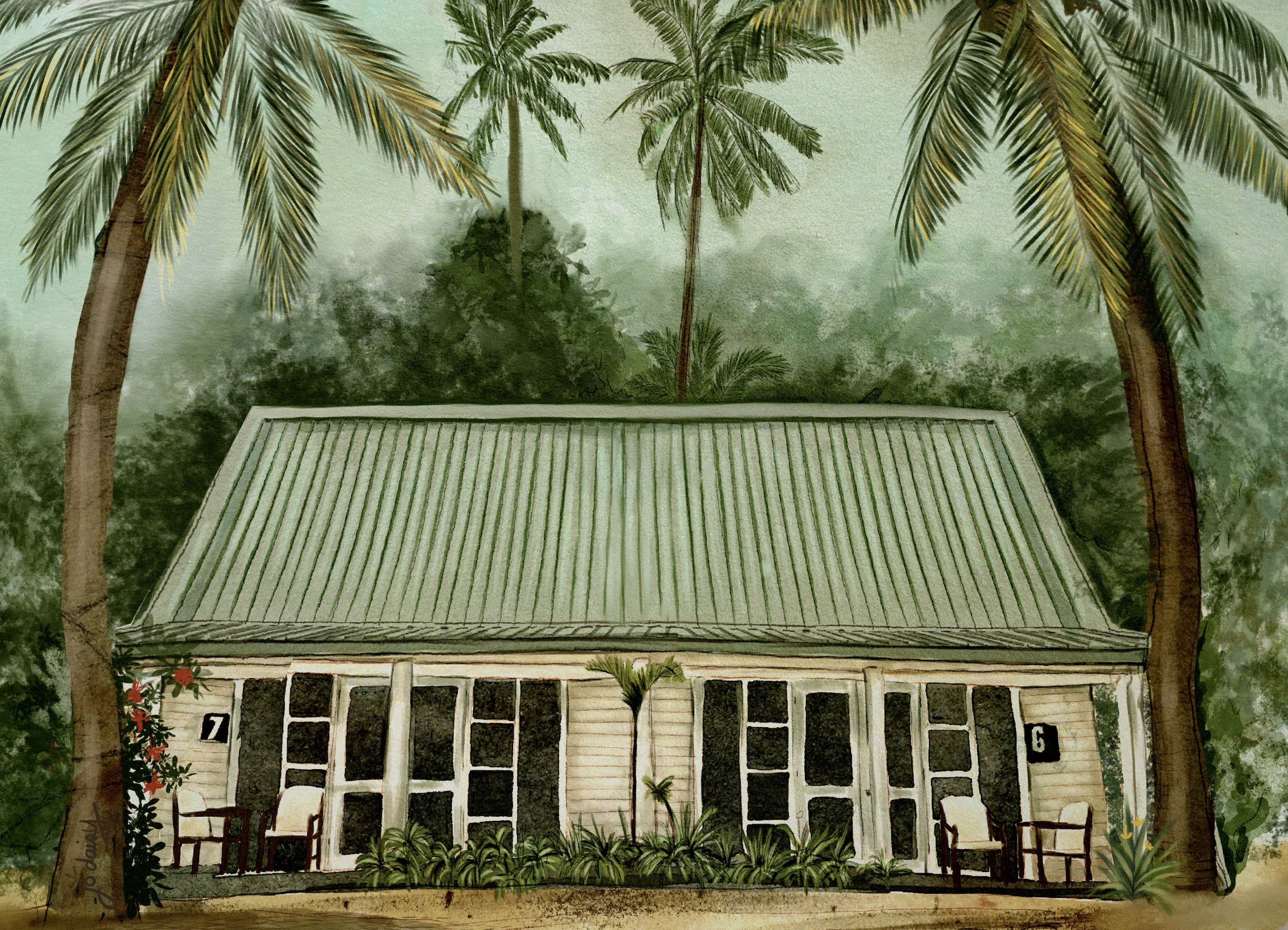
Malolo Bures by Jo Daisy