Favourite Nature Study Books
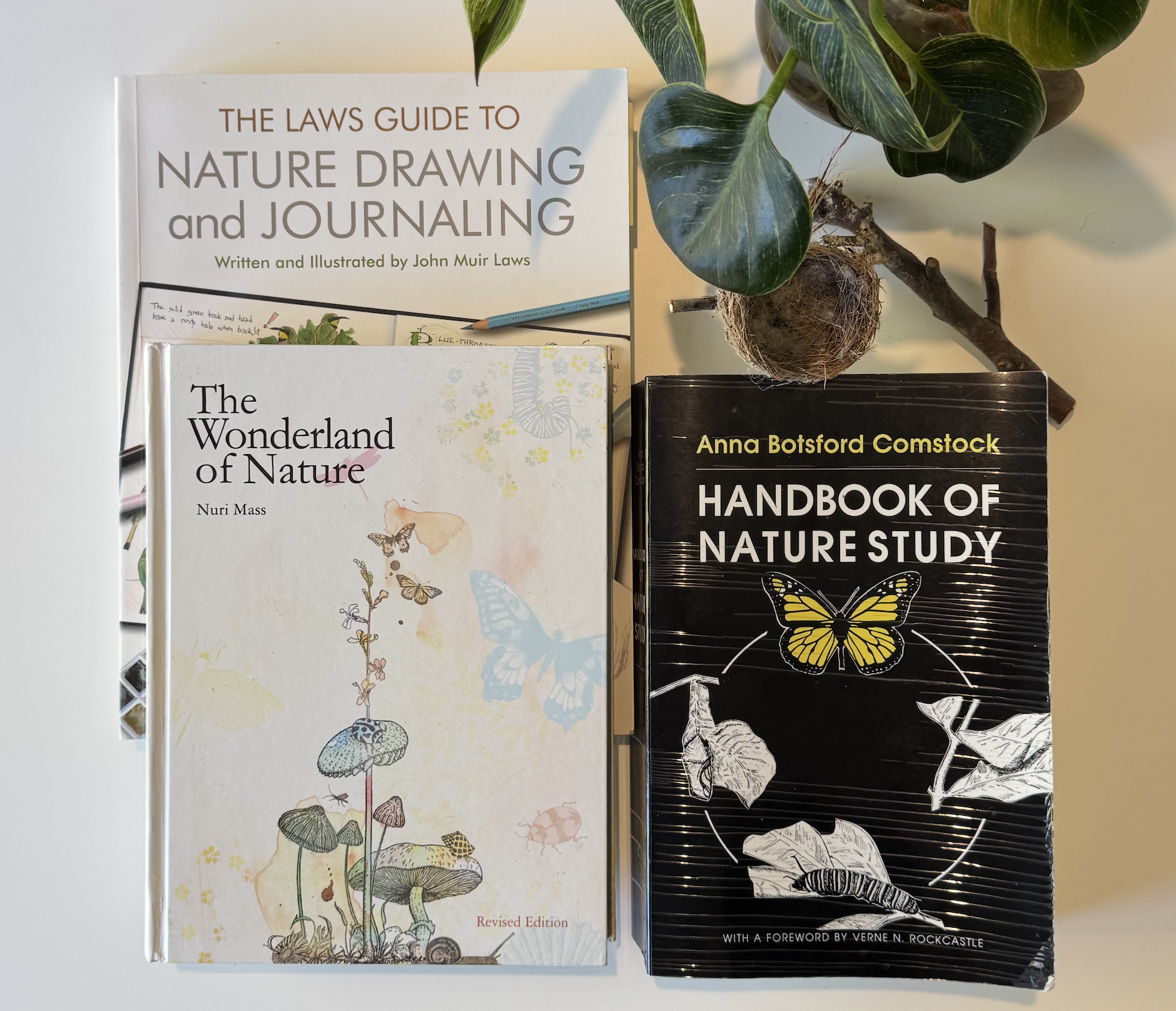
My Three Favourite Nature Study Guides
Sometimes life’s greatest challenges can be the greatest gifts. I was to receive such a gift when I learned that my eldest son had dyslexia. What school had managed to destroy in me over a twelve year period, took only one year with my son. He went from being a vibrant, confident little boy to believing he was stupid and that life was not worth living. This was very sad as well as frightening to me. We made the decision to home educate him and a wonderful new journey began. I was introduced to the idea of “living books” through Charlotte Mason, and the importance of nature observation. Charlotte Mason was a pioneering British educator who believed that children were whole persons deserving of a broad and beautiful education filled with ideas, nature and the arts. And so, three of my most treasured books entered my world.
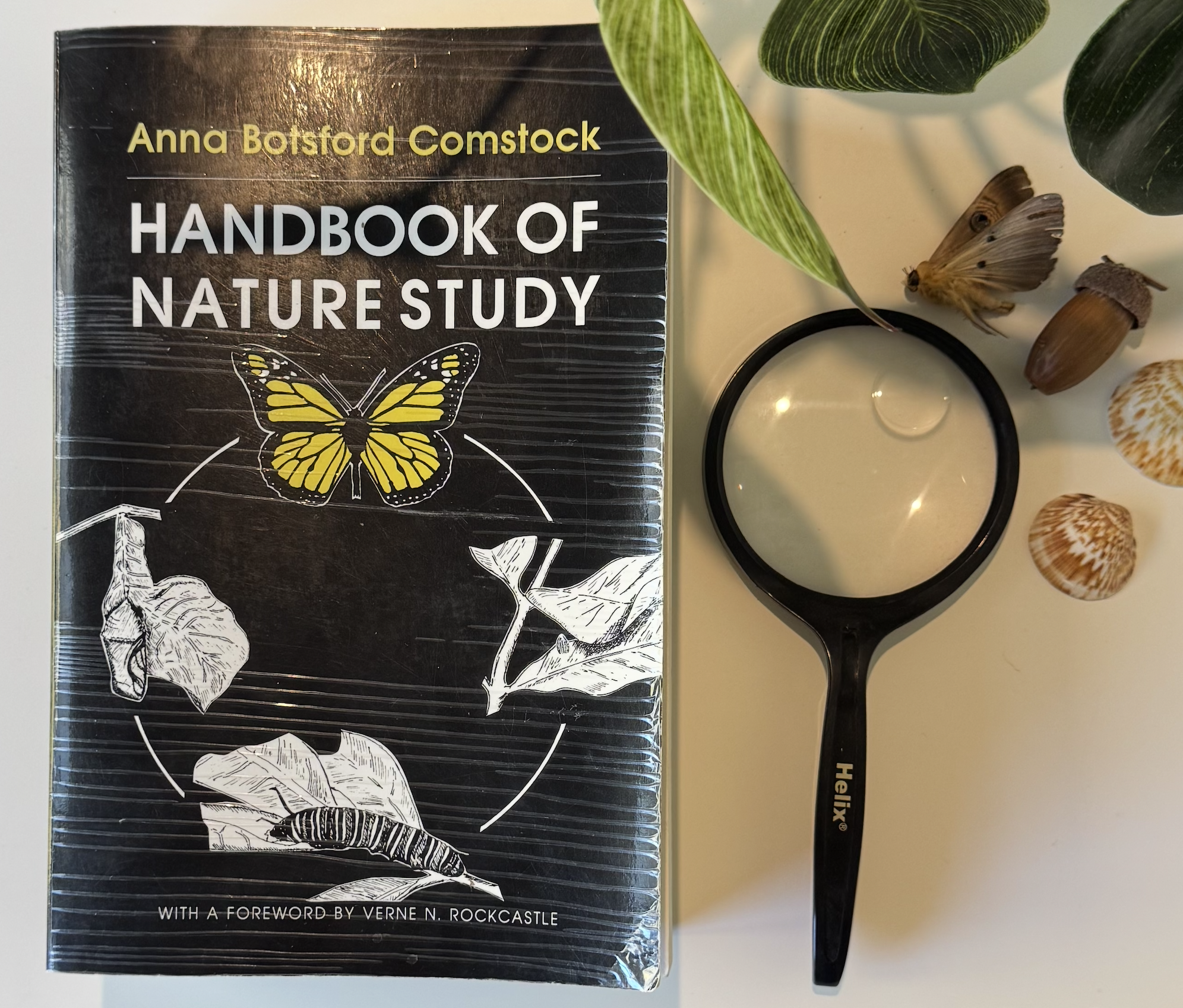
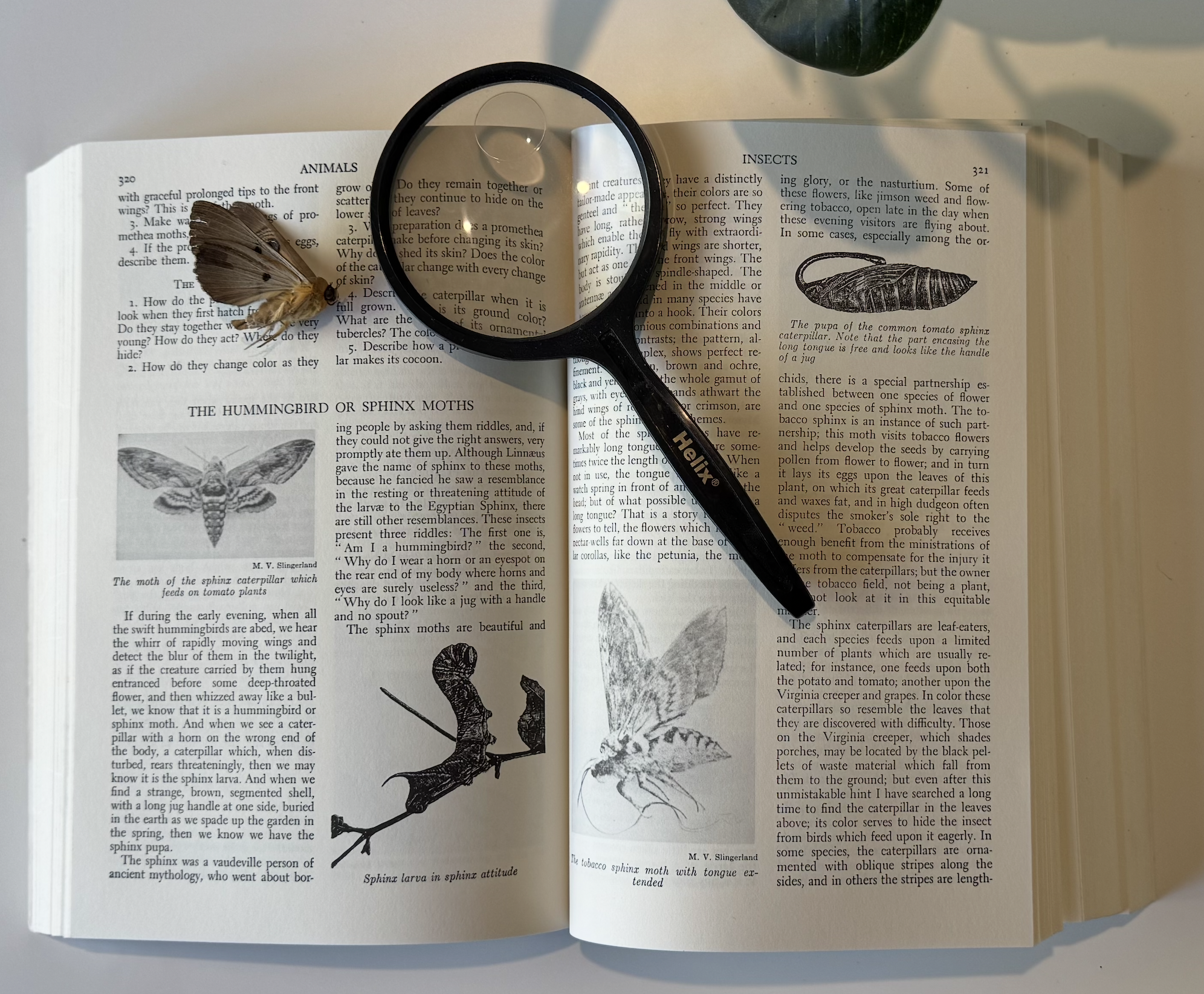
Handbook of Nature Study by Anna Botsford Comstock, was the first to grace a little discovery table in our dining room, complete with microscope, bird’s nests, moth cases and seed pods. It was first published in 1911, written for teachers and parents and encouraged direct observation of nature. I was somewhat intimidated by its arrival. It’s still one of the thickest books I own, but its pages span everything from plants, animals and insects to rocks, weather and the stars. The notes to teachers are simple to understand. The lessons are well described and conducive to the home environment. My favourite lesson was the one on crickets. I have fond memories of building a small habitat with my youngest son in a glass jar. We created a little shelter of stones, bark and leaves, making sure he had ample privacy. He was a very entertaining character so we went about finding a female to accompany him and compare her habits. We knew that she could be distinguished from the male by a long swordlike ovipositor. We would watch them several times a day with great curiosity. Such gentle creatures. I still smile at the fond memories when I hear the crickets chirping, signalling the beginning of autumn. Curiosity, sketching and journaling are encouraged. What I find enchanting though, is how seamlessly poetry and science coexist within its pages; a quality I adore in so many books of this era. Fore example, Lesson 163 ends with this poem by Mary Howitt.
God made the flowers to beautify
The earth, and cheer man’s careful mood;
And he is happiest who hath the power
To gather wisdom from a flower,
And wake his heart in every hour
To pleasant gratitude.
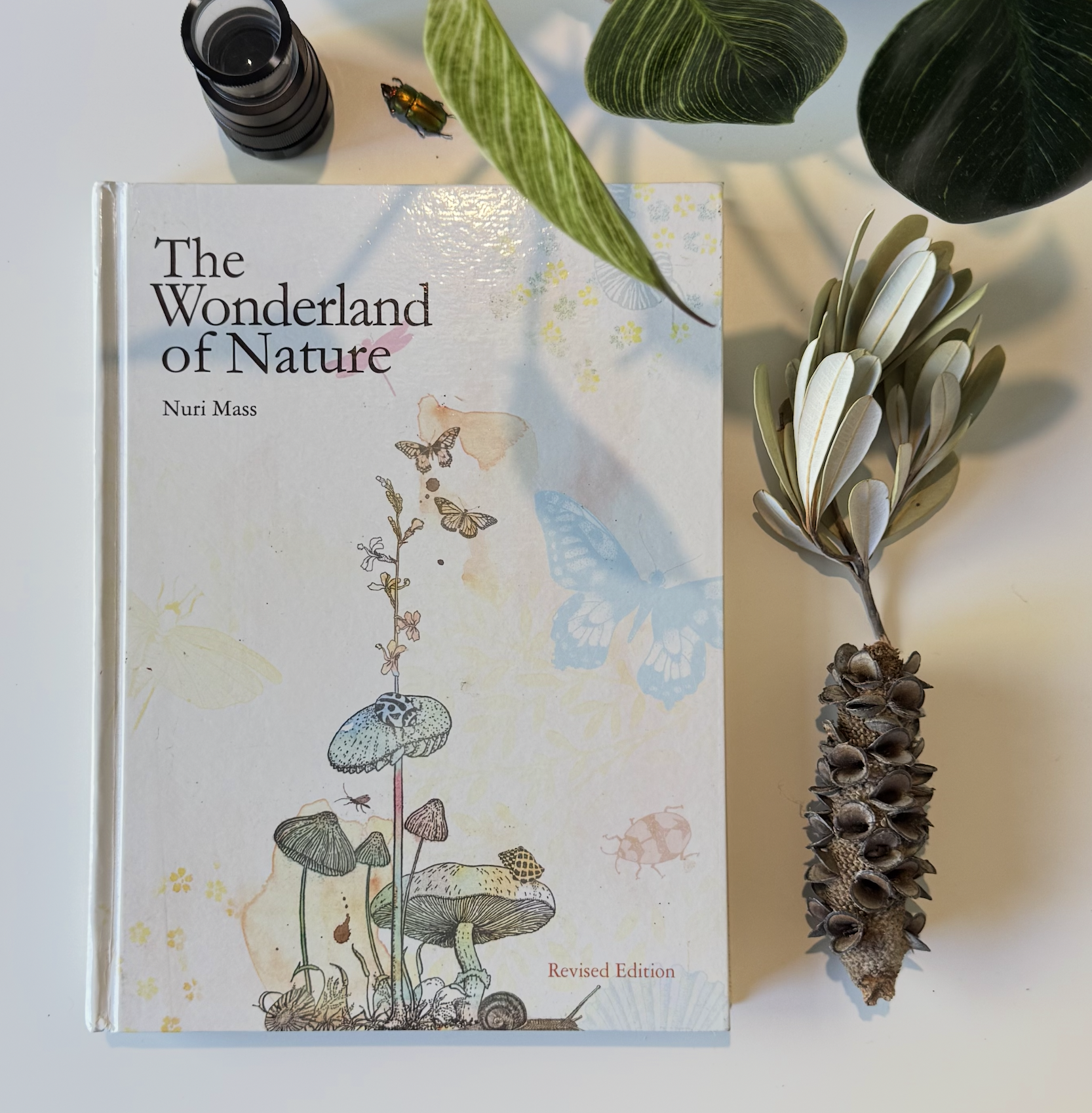
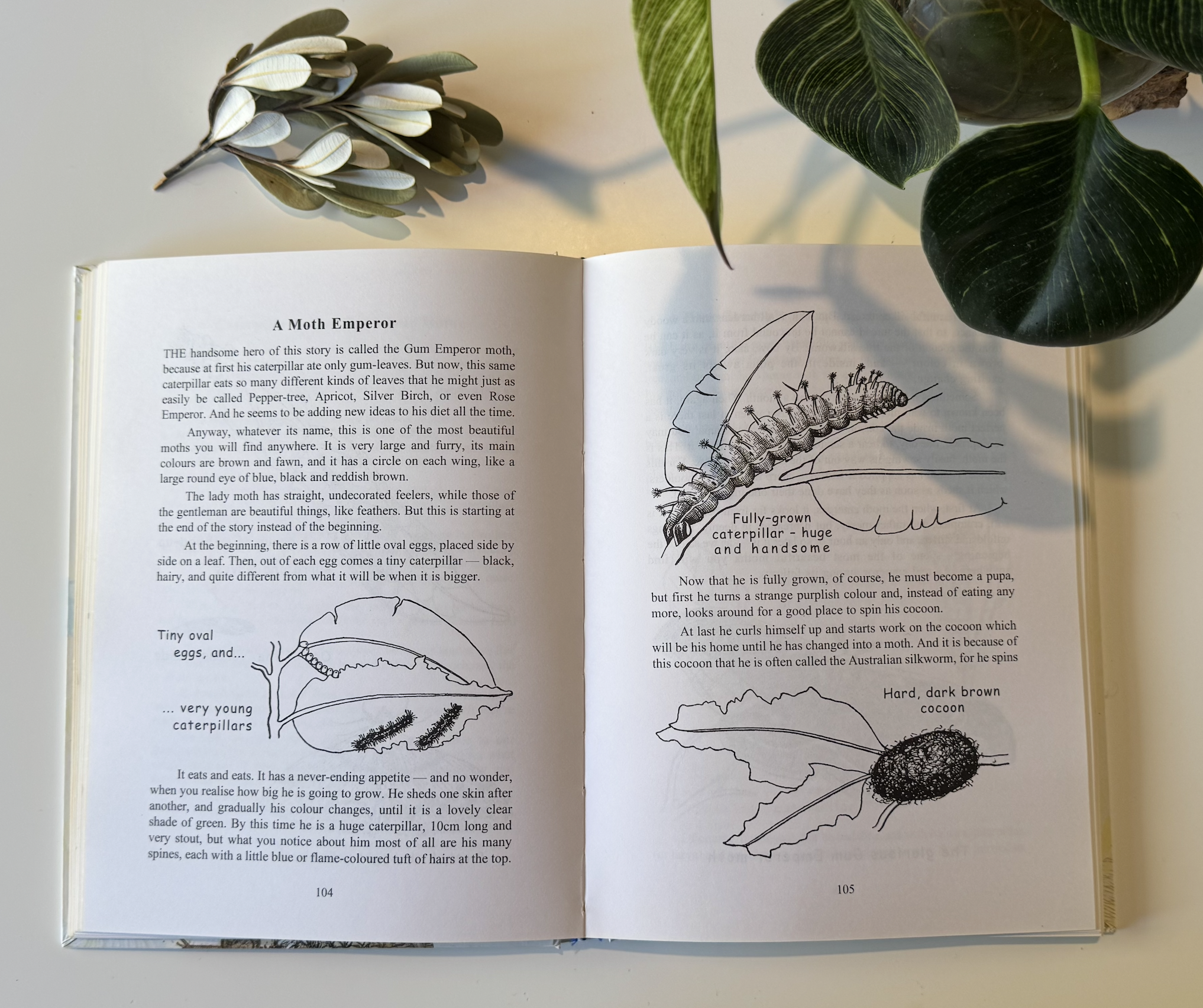
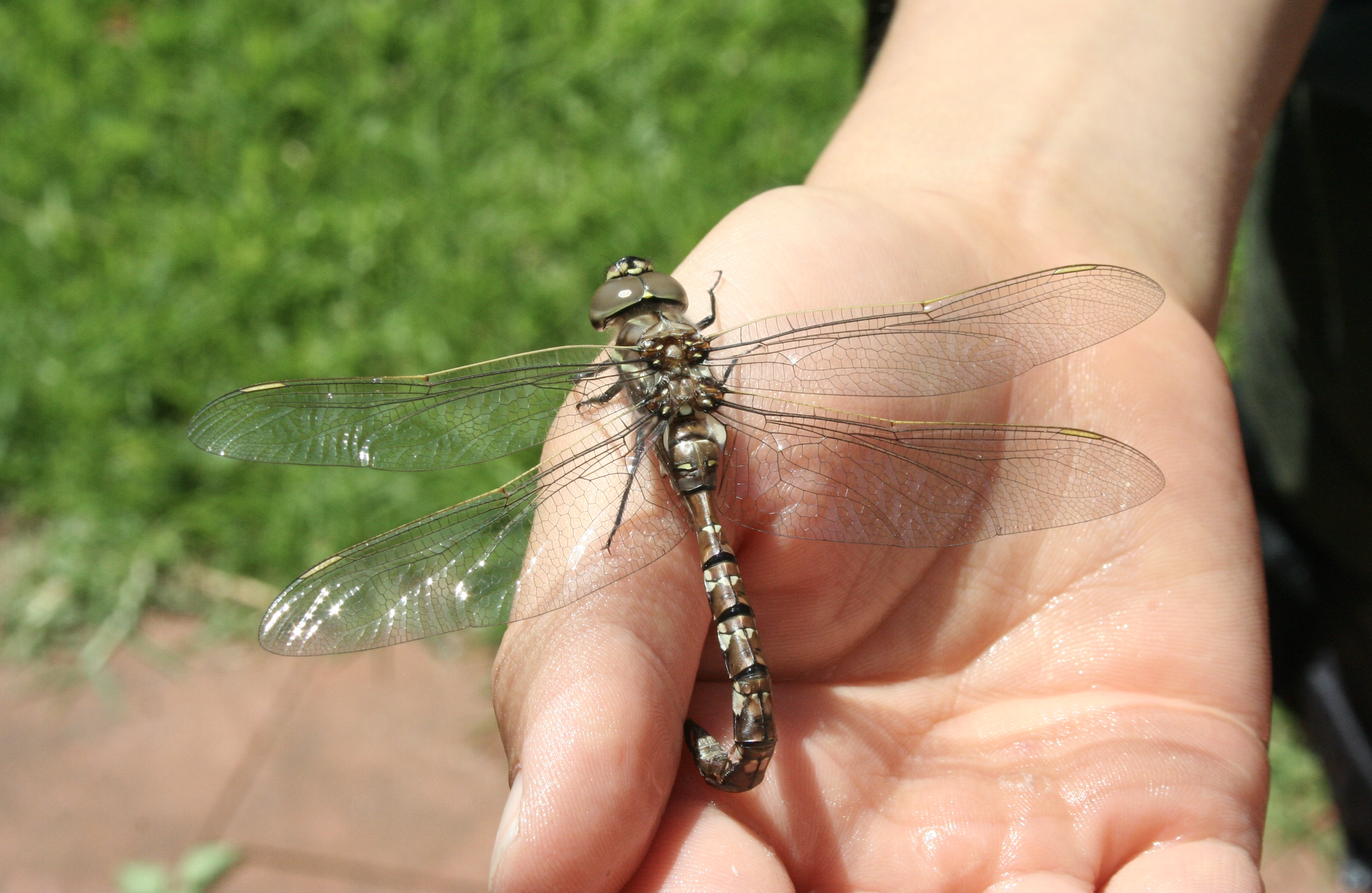
Another of my treasures is The Wonderland of Nature by Nuri Mass, a beautifully illustrated Australian nature study book. First published in 1964, it has remained a beloved resource for generations of Australian families and educators. Unfortunately, the last I heard, it was out of print. It is written in a delightfully conversational, story-like manner with lesson titles such as, The Acrobatic Grasshopper and Insect Cows. Part nature study, part science primer, it invites young readers to look more closely at the world around them and discover the wonder hidden in everyday things. And again, little rhymes and poems are woven throughout its pages, giving the book a charming playfulness and sense of warmth. I have so many fond memories of us visiting the botanical gardens with this book and our nature journals in hand. But more than that, our lives were thoroughly enriched by it, because we often encountered the subjects outside of the lessons. Once when we were camping, we observed the astounding transformation of two nymphs to dragonflies. They had crawled up out of the water onto our tent. We had only just recently read about them and were delighted to witness this little miracle all the more because we felt we knew the little creatures intimately.
Jewel of the Pond - The Wonderland of Nature
Dragonfly nymph, how your fellows must fear you!
You gobble up any who dare to come near you.
And I’m sure you have one of the funniest faces
Ever to goggle in watery places.
But once you have wings, you are just like a jewel,
Darting and hovering over a pool,
Eating mosquitoes and having great fun,
But never attempting to sting anyone.
I love you, dear dragonfly. Please understand,
And come for a moment to sit on my hand.
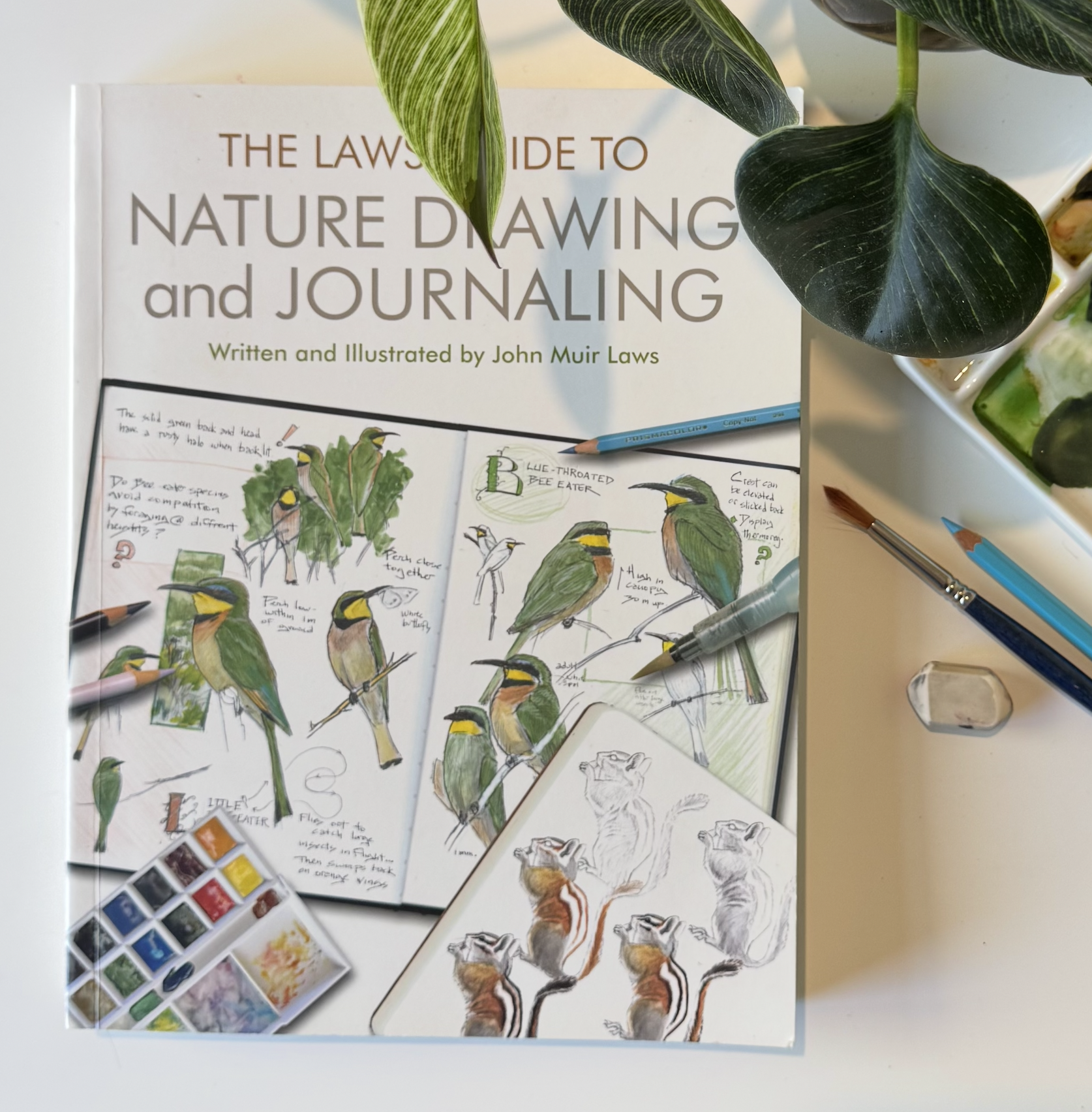
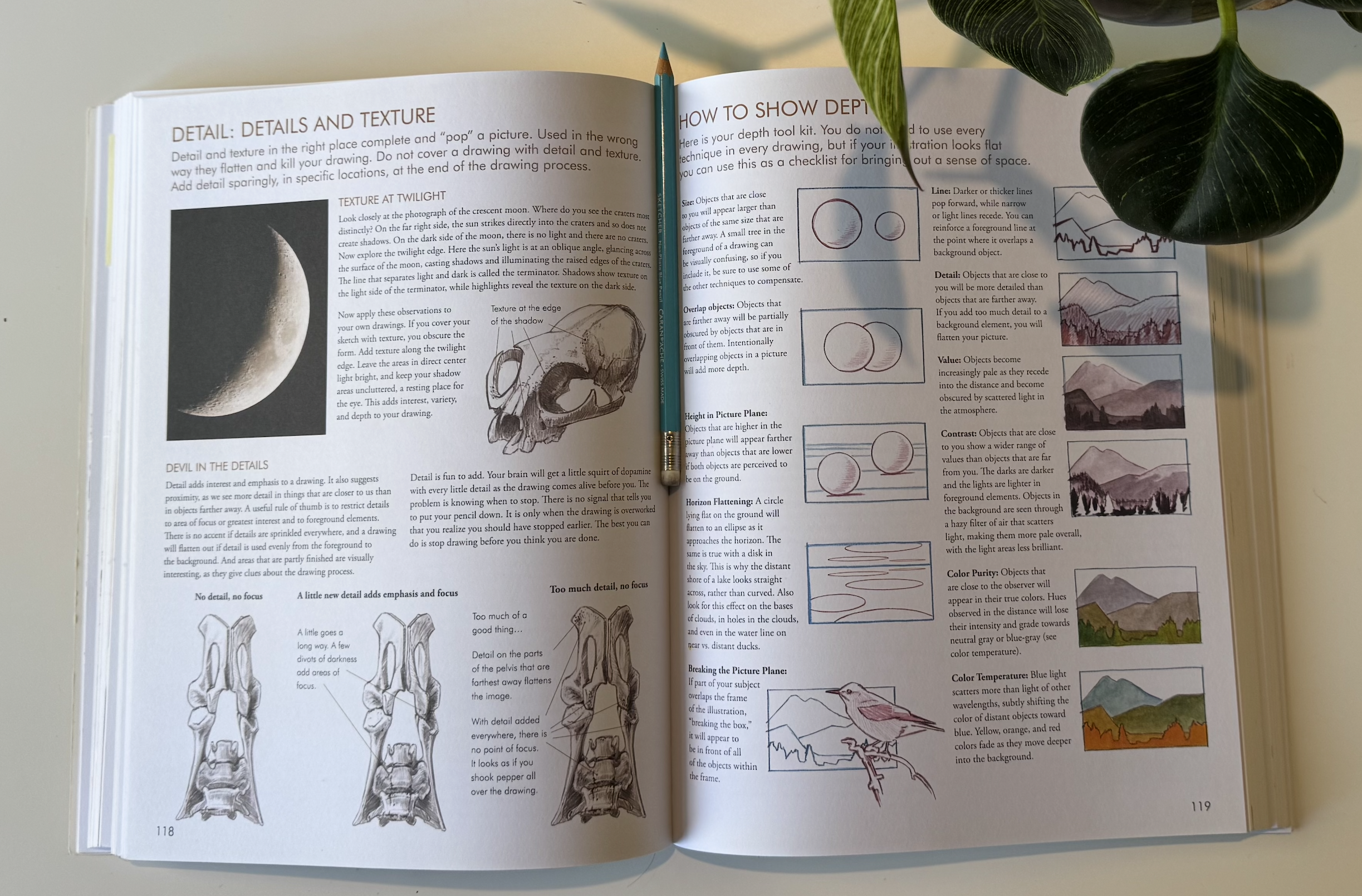
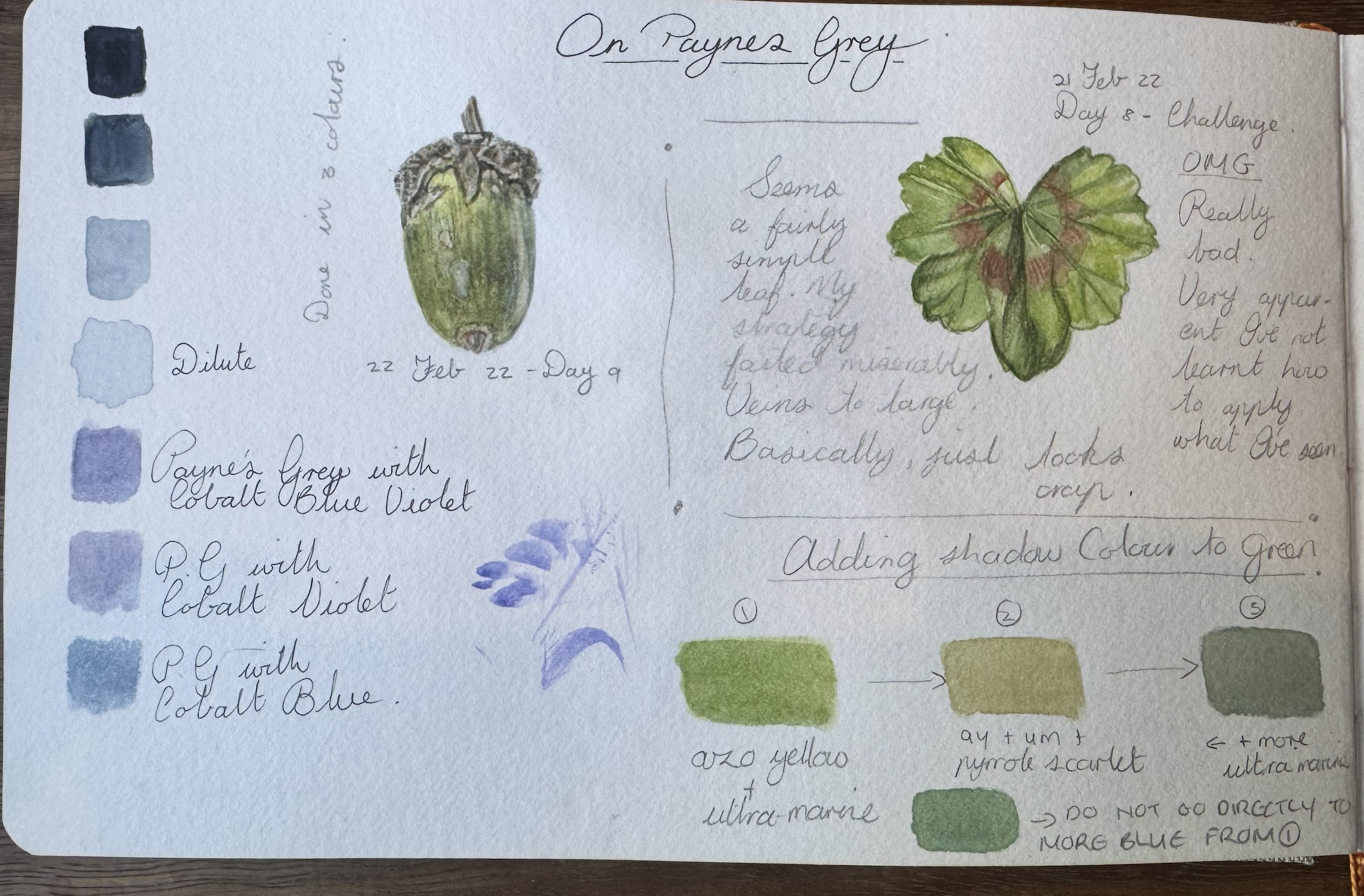
Another favourite on my shelves is, The Laws Guide to Nature Drawing and Journaling by John Muir Laws. This one I purchased more for my own personal study, but taught the methods to my children. John is one of the most generous people with information and in fact, offers a free curriculum the same size as this book to teachers for download on his website, as well as hundreds of videos on observation and drawing. His simple techniques gently teach that observation is a skill within itself. He encourages curiosity paired with drawings, notes, questions and “wonderings” so that the page becomes a place of enquiry, not performance. The focus is not on art, but about experiencing the moment. This guide grew out of a lifelong passion for the natural world. As a child, dyslexia made writing difficult and often frustrating for John, but drawing became a way for him to engage with nature. Of course his story resonates with me very personally because of my son.
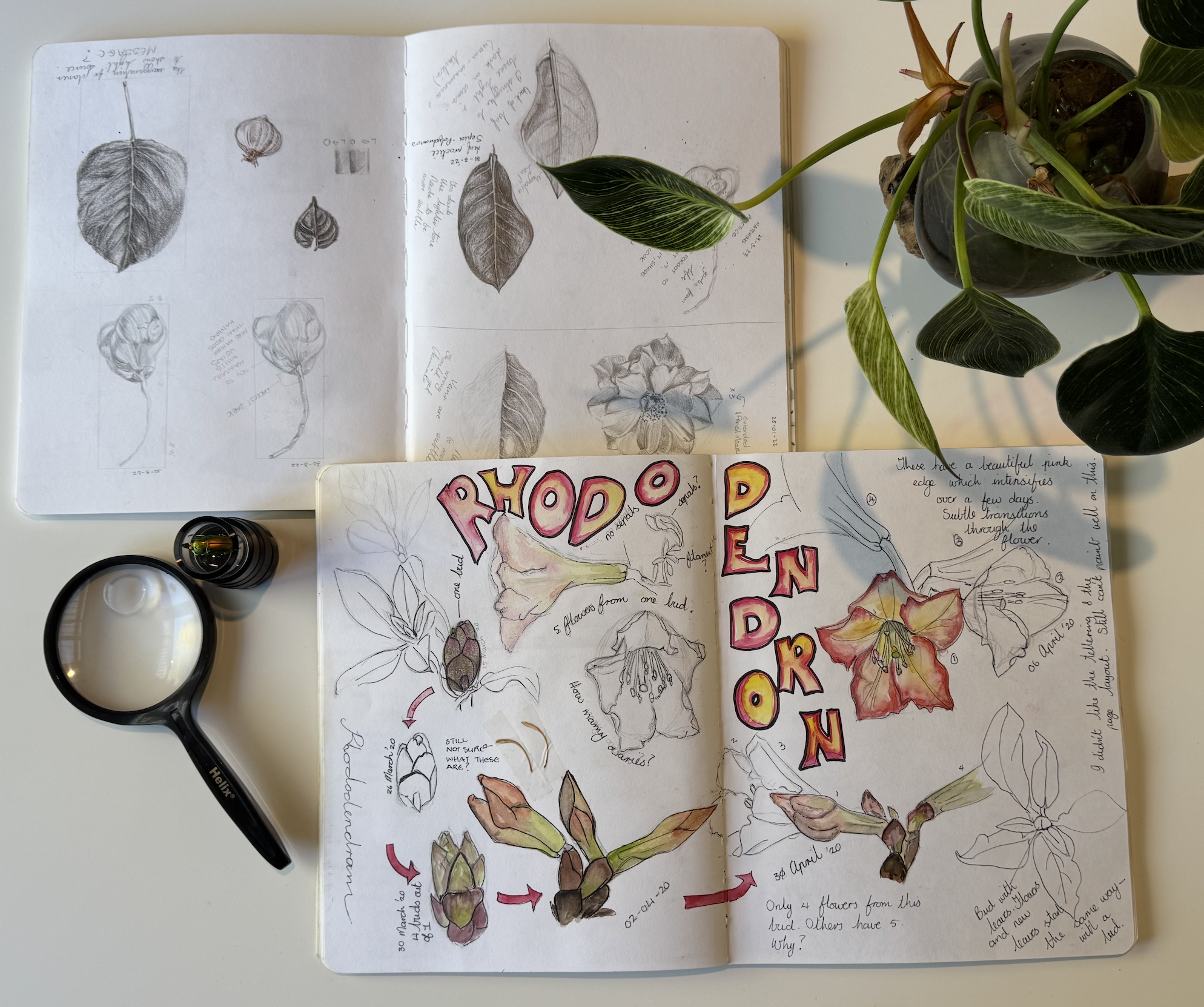
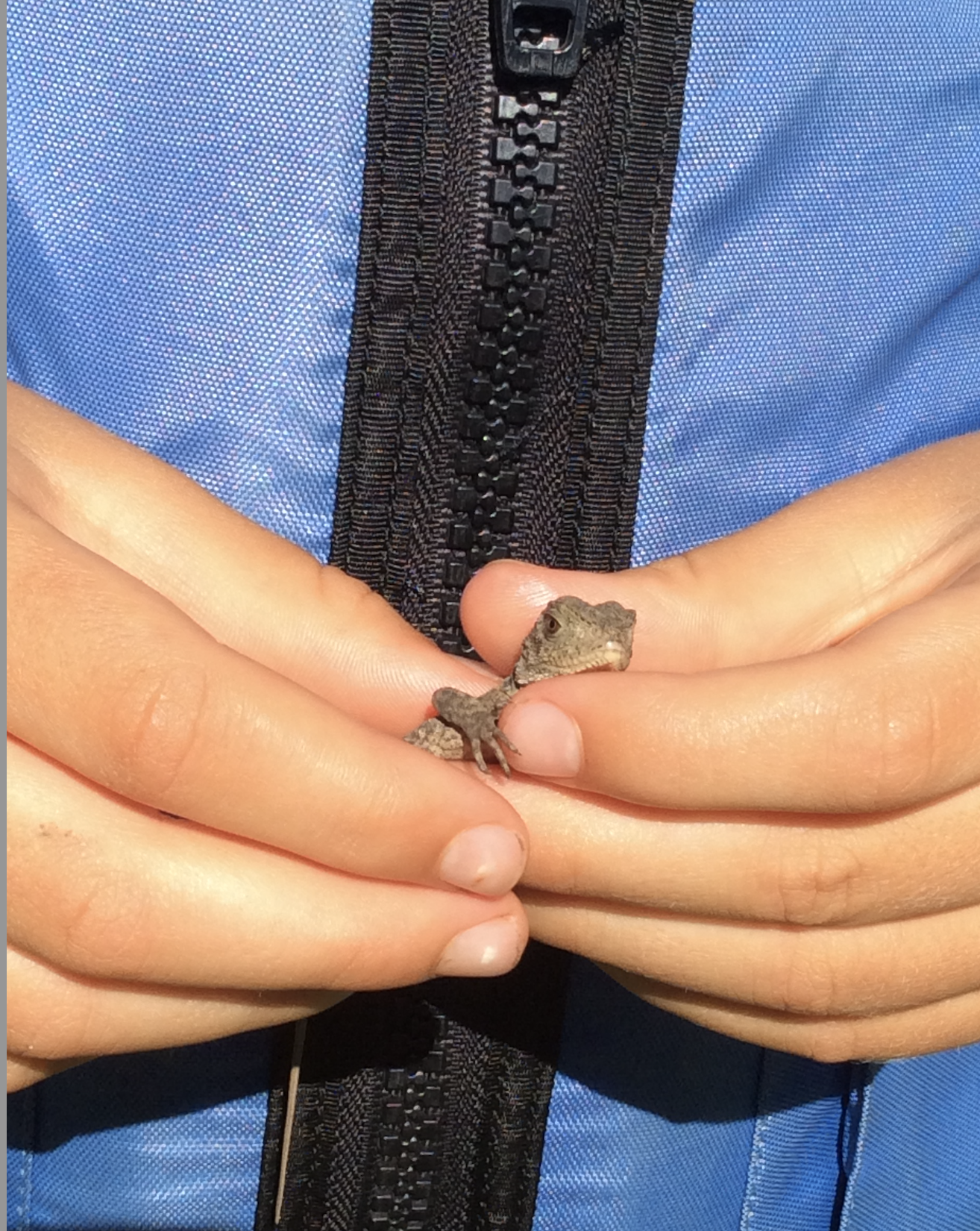
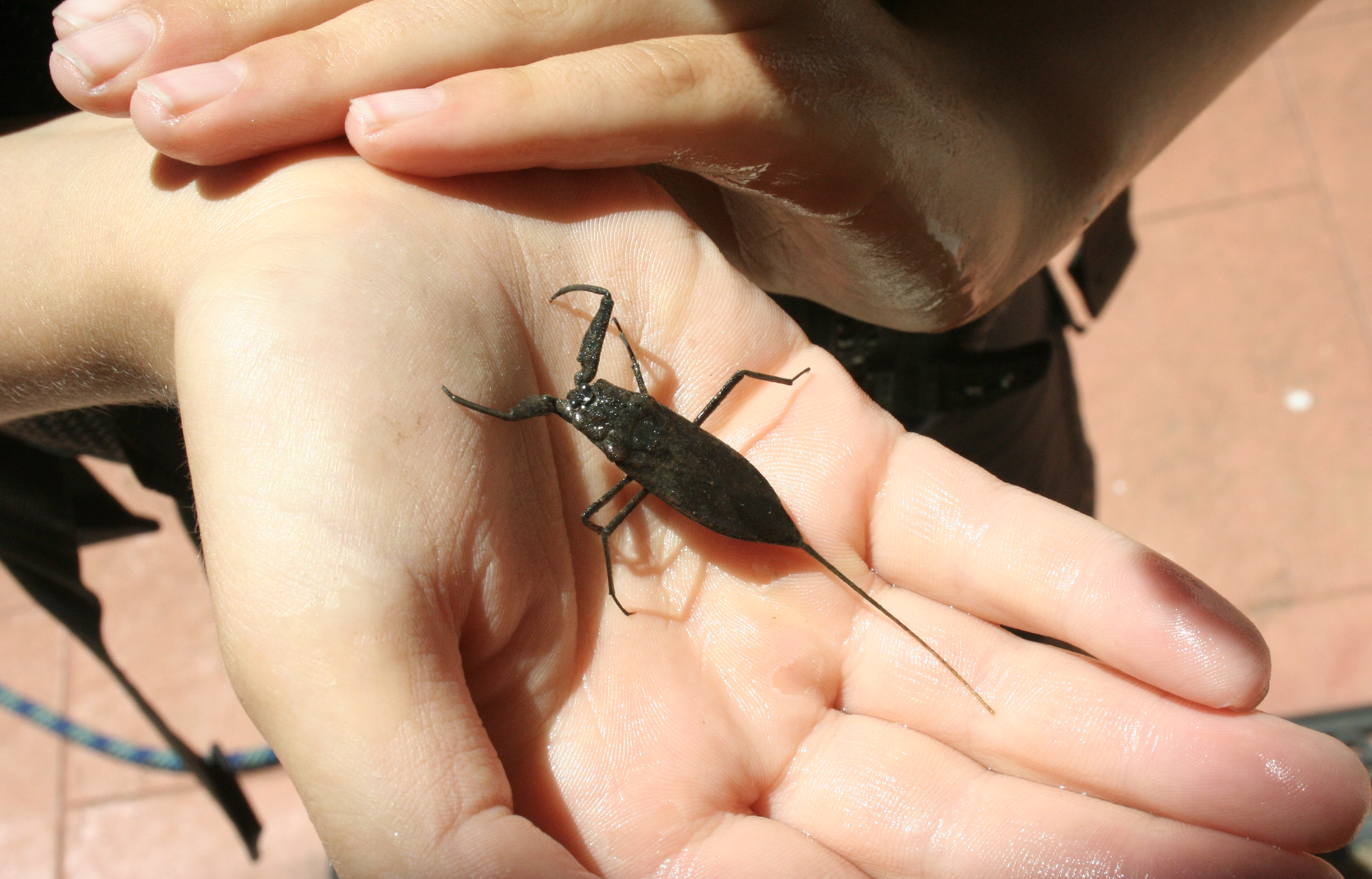
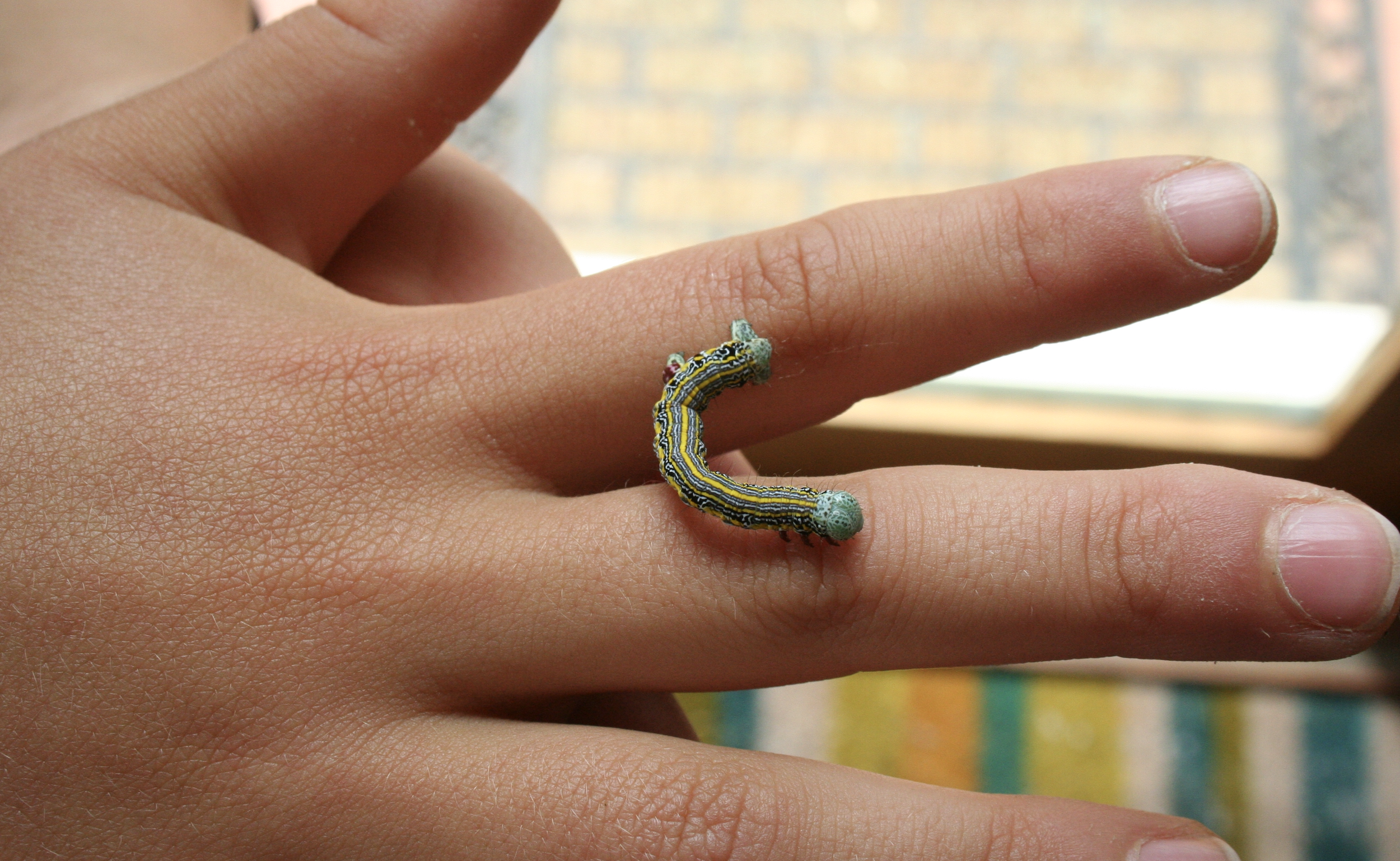
Nature study and journalling have become a beautiful thread running through my relationship with my children. Although it’s not something we do together anymore, the essence of it remains with us and they continue to bring me little treasures; flowers, feathers, birds’ nests or leaves as they go about their business, knowing how much I will delight in their discoveries. And they delight in my delight. Through our observations together we have created memories and connections that I will treasure forever. Among my most treasured possessions now, are the many photographs of little hands, holding wonderful creatures of every sort. Dusty little fingers, rich with discoveries! I am so, so grateful for these memories! I continue to keep various journals and look forward to sharing some of my own discoveries with you in the future.
With joy and beauty,
Jo x